
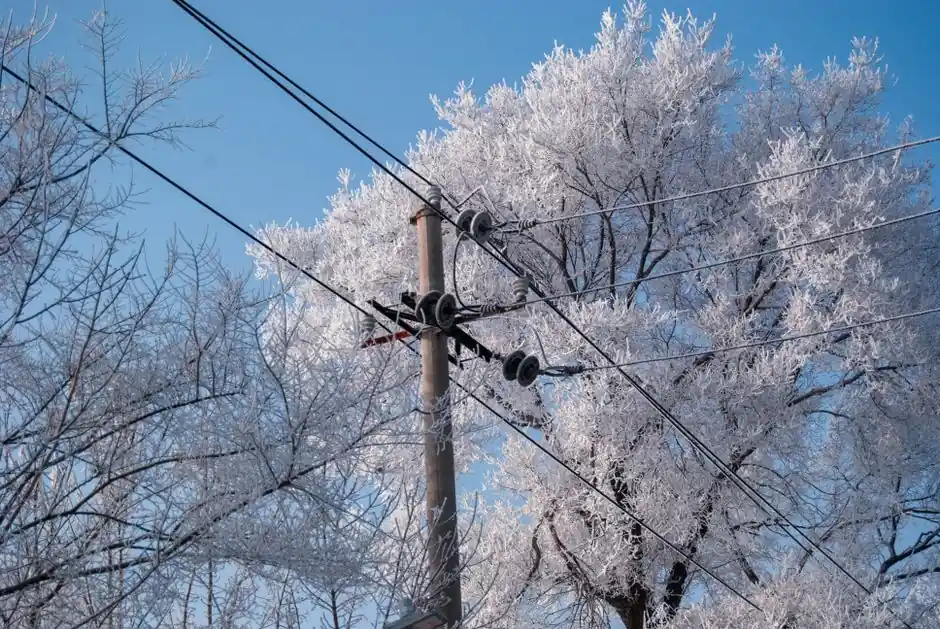
Ice storms in Kentucky can severely impact your home's electrical system. Common failures include downed power lines and damaged equipment, which require immediate attention. This article will explore how these storms affect electrical systems, common failures, preventive measures, and what to do when issues arise.
An electrical system is a network of components that supply, control, and distribute electricity throughout your home. Understanding how ice storms impact this system is crucial for homeowners in Kentucky.
How Ice Storms Affect Electrical Systems
Ice storms create significant hazards for electrical systems in Kentucky. The weight of ice accumulation can lead to fallen trees and branches, which often take down power lines. Additionally, ice can coat electrical components, leading to malfunctions.
Power outages are common during these storms, affecting thousands of homes. According to the National Weather Service, ice storms can result in over 1 inch of ice accumulation, which is enough to cause extensive damage to electrical infrastructure.
Common Electrical Failures During Ice Storms
Several types of electrical failures are prevalent during ice storms. These include:
- Power outages: Caused by downed power lines and transformers.
- Circuit breaker tripping: Overloaded circuits can trip due to increased demand for heating.
- Electrical surges: Power restoration can result in surges that damage appliances.
- Wiring damage: Ice can cause physical damage to wiring, leading to shorts and failures.
In Kentucky, homeowners often experience power outages lasting from a few hours to several days, depending on the severity of the storm and the response from utility companies.
Preventive Measures for Homeowners
Taking preventive measures can mitigate the impact of ice storms on your electrical system. Here are some steps you can take:
- Regularly inspect and maintain your electrical system, including wiring and circuit breakers.
- Install surge protectors to safeguard against electrical surges when power is restored.
- Trim trees and branches near power lines to reduce the risk of damage.
- Consider upgrading to a better electrical panel to handle increased loads during outages.
Implementing these measures can help you avoid many common issues associated with ice storms.
What to Do When Your Electrical System Fails
If your electrical system fails during an ice storm, follow these steps:
- Ensure your safety first. If you smell burning or see sparks, evacuate immediately.
- Check if the issue is a local power outage by contacting your utility provider.
- If your home has power but you experience issues, inspect your circuit breakers and reset them as necessary.
- For persistent problems, contact a Residential Electrician in Kentucky to assess and repair the issue.
Acting quickly can prevent further damage and ensure your home remains safe.
Common Mistakes to Avoid
Homeowners often make mistakes that can exacerbate electrical issues during ice storms:
- Ignoring warning signs like flickering lights or tripped breakers.
- Attempting DIY repairs without proper knowledge or safety precautions.
- Failing to prepare for power outages by not having emergency supplies.
Avoiding these mistakes can save you time and money in the long run.
When to Call a Professional
Knowing when to call a professional is crucial for your safety. If you experience persistent electrical issues, such as frequent outages or damaged wiring, contact Emergency Electrician Kentucky. A professional can diagnose and resolve problems safely.
Frequently Asked Questions
1. How long do power outages last during ice storms in Kentucky? Power outages can last from a few hours to several days, depending on the storm's severity and utility company response.
2. What should I do if my circuit breaker keeps tripping? If your circuit breaker trips frequently, it may indicate an overloaded circuit or a short. Consult a professional for evaluation.
3. How can I protect my appliances from power surges? Installing surge protectors can help safeguard your appliances from damage caused by electrical surges during power restoration.
4. Is it safe to use candles during a power outage? While candles can provide light, they pose a fire risk. Use flashlights or battery-operated lights instead.
5. What are the signs of electrical damage after an ice storm? Signs include burnt odors, flickering lights, and tripped breakers. If you notice these, call a professional immediately.