
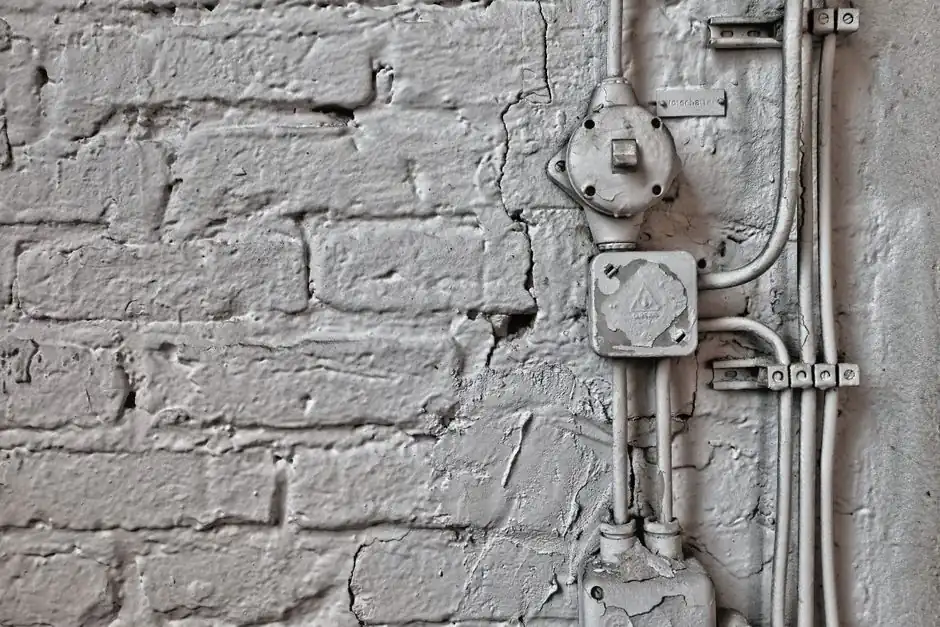
Knob-and-tube and cloth wiring can pose significant dangers in old Kentucky homes. Homeowners should be aware of the risks associated with these outdated electrical systems and know when to seek professional help.
Knob-and-tube wiring is a type of electrical wiring that was commonly used in homes built before the 1950s. This wiring system consists of insulated copper conductors that run through ceramic knobs and tubes, which support and protect the wires. While knob-and-tube wiring was once considered safe, it has become obsolete due to safety concerns and the evolution of electrical standards.
What is Knob-and-Tube Wiring?
Knob-and-tube wiring is a method of electrical installation that uses individual wires run through tubes and supported by ceramic knobs. This system was prevalent in homes built in the early 20th century and is often found in older neighborhoods across Kentucky.
The Dangers of Knob-and-Tube Wiring
Knob-and-tube wiring presents several hazards, including:
- Inadequate grounding: This wiring system lacks a grounding conductor, increasing the risk of electrical shock.
- Overheating: The wires can overheat if overloaded, leading to potential fire hazards.
- Insulation issues: Many homes have added insulation that can cover or compress the wiring, further increasing the risk of overheating.
In Kentucky, where many homes are older, the prevalence of knob-and-tube wiring can be a serious concern. Homeowners should have their systems inspected by a professional Residential Electrician in Kentucky to assess the safety of their wiring.
Identifying Cloth Wiring in Your Home
Cloth wiring is another outdated electrical system that can be found in older homes. This type of wiring is characterized by its fabric insulation, which can deteriorate over time, exposing the wires. Signs of cloth wiring include:
- Visible fabric-covered wires in attics or basements.
- Frayed or damaged insulation around wires.
- Frequent electrical issues, such as flickering lights or tripped breakers.
Homeowners in cities like Louisville and Lexington should be particularly vigilant about identifying cloth wiring, as many older homes in these areas still have this outdated system.
Common Issues with Old Wiring
Old wiring systems, including knob-and-tube and cloth wiring, can lead to various problems, including:
- Frequent power outages or tripped circuit breakers.
- Inconsistent power supply to outlets and fixtures.
- Increased energy costs due to inefficiency.
These issues can often be resolved through professional wiring installation in Kentucky services, ensuring that your home meets current safety standards.
When to Call a Professional
If you suspect that your home has knob-and-tube or cloth wiring, it is essential to consult a qualified electrician. Signs that you need professional help include:
- Frequent electrical problems, such as flickering lights.
- Visible damage to wiring or insulation.
- Plans for remodeling or adding new electrical devices.
Emergency Electrician Kentucky provides comprehensive evaluations and solutions for homes with outdated wiring systems. Our team can help you navigate the complexities of electrical upgrades and ensure your home is safe.
Frequently Asked Questions
1. What are the signs of knob-and-tube wiring? Common signs include visible ceramic knobs and tubes, as well as a lack of a ground wire.
2. Is cloth wiring dangerous? Yes, cloth wiring can be very dangerous due to its deteriorating insulation, which can lead to electrical shorts or fires.
3. How much does it cost to replace old wiring? In 2026, the cost to replace old wiring can range from $1,500 to $3,000, depending on the size of the home and the complexity of the job.
4. Can I upgrade my electrical system myself? It is not recommended to perform electrical upgrades without professional help, as improper installation can lead to serious safety hazards.
5. How often should I have my electrical system inspected? Homeowners should have their electrical systems inspected every 5 to 10 years, especially if they live in older homes.