
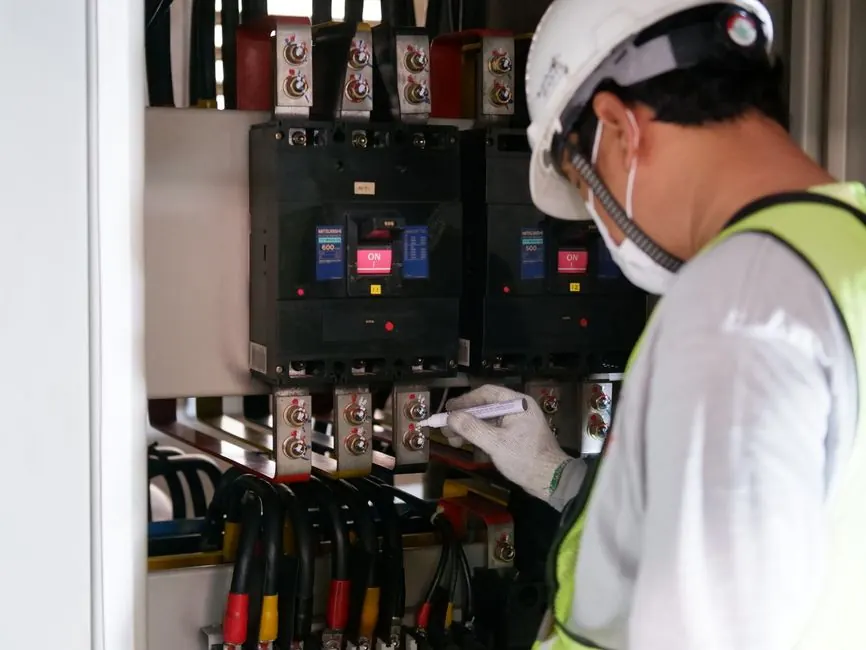
A circuit breaker keeps tripping mainly due to electrical overload, short circuits, or ground faults. Understanding these causes can help you prevent future issues and ensure your home's electrical system remains safe.
A circuit breaker is a safety device that automatically interrupts the flow of electricity when it detects an overload or fault, preventing potential electrical fires and damage.
1. Overloaded Circuits
Overloaded circuits are one of the primary reasons circuit breakers trip in Kentucky homes. This occurs when too many devices draw power from a single circuit, exceeding its capacity. Typically, a standard circuit can handle 15 to 20 amps. If you frequently use multiple high-wattage appliances on the same circuit, you may experience tripping. Consider redistributing your devices across different circuits or upgrading to a higher capacity circuit.
2. Short Circuits
Short circuits happen when a hot wire touches a neutral wire, creating a path of low resistance. This can cause a sudden surge of electricity, leading to the circuit breaker tripping. Common causes include damaged wires or faulty appliances. If you suspect a short circuit, it's crucial to unplug devices and consult a professional for residential electrical services in Kentucky.
3. Ground Faults
Ground faults occur when a hot wire touches a ground wire or a grounded surface. This is particularly dangerous in areas like kitchens and bathrooms where moisture is present. Ground fault circuit interrupters (GFCIs) are designed to prevent these issues by tripping when they detect a fault. Regular testing of GFCIs is essential to ensure they function correctly.
4. Faulty Circuit Breaker
Sometimes, the circuit breaker itself may be the problem. A faulty breaker can trip frequently, even under normal load conditions. If you notice that a specific breaker trips often, it may need replacement. Consult an expert for circuit breaker replacement in Kentucky to ensure proper installation and safety.
5. Aging Wiring
Older homes, particularly those built before the 1980s, may have outdated wiring that can lead to frequent breaker trips. These older systems may not handle modern electrical loads effectively. If your home has not undergone a wiring upgrade, consider having a professional evaluate your system for potential wiring installation in Kentucky.
6. Too Many Appliances
Using multiple high-demand appliances simultaneously can overload your circuits. This is common during peak usage times, such as when running a washer, dryer, and dishwasher at once. Be mindful of your appliance use and consider staggering their operation to prevent tripping.
7. Environmental Factors
Environmental factors, such as humidity and temperature fluctuations, can also affect circuit breakers. Excessive moisture can lead to corrosion in wiring, while extreme cold can make materials brittle. Ensure your home's electrical system is protected from environmental extremes, especially in areas prone to moisture.
Common Mistakes
Homeowners often make several mistakes that contribute to circuit breaker issues:
- Ignoring warning signs like flickering lights or buzzing sounds.
- Using extension cords as permanent solutions.
- Overloading power strips.
Addressing these mistakes promptly can help maintain your electrical system's integrity.
When to Call a Professional
If you experience frequent tripping of your circuit breaker, it's time to call a professional. Emergency Electrician Kentucky offers expert assessments and solutions for electrical issues in your home. Ignoring these problems can lead to more severe electrical hazards.
Frequently Asked Questions
Why does my circuit breaker trip when it rains? Circuit breakers may trip during rain due to moisture affecting electrical connections, especially if your home has leaks or poor sealing.
How can I prevent my circuit breaker from tripping? To prevent tripping, avoid overloading circuits, regularly inspect appliances, and ensure your wiring is up to date.
Is it safe to reset the circuit breaker? Yes, it is generally safe to reset the circuit breaker once you identify and resolve the underlying issue. If it continues to trip, consult a professional.
What should I do if my circuit breaker won't reset? If your circuit breaker won't reset, it may indicate a serious issue. Disconnect all appliances on the circuit and call a professional for help.
How often should I replace my circuit breaker? Circuit breakers can last 30 to 40 years, but if you notice frequent tripping or other issues, consider replacement sooner.